
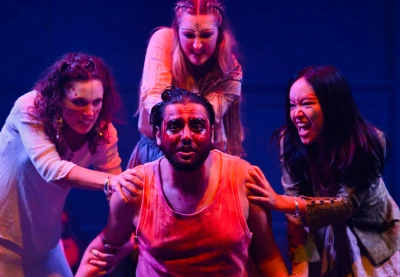
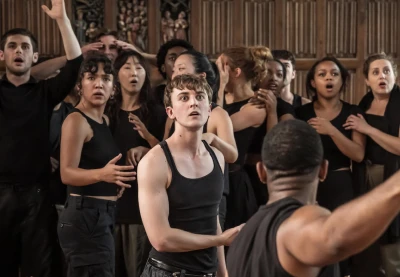
The Spanish Theatre Programme (STP) is BADA’s month-long summer programme dedicated to Spanish-language classical theatre. Based in London and in Spain (Seville, Granada and Almagro), the programme combines seminars, site visits and studio-based practical sessions exploring the performance, reception and translation of classical Hispanic plays from the Golden Age to Lorca.
Programme Overview
This interdisciplinary programme is crafted for students and theatre practitioners at all career stages. The programme will be delivered in English; Spanish proficiency is not required.
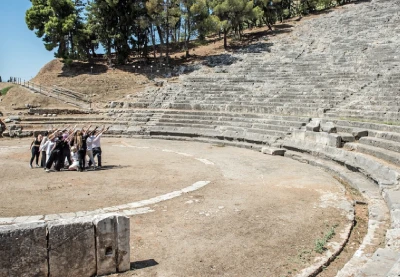
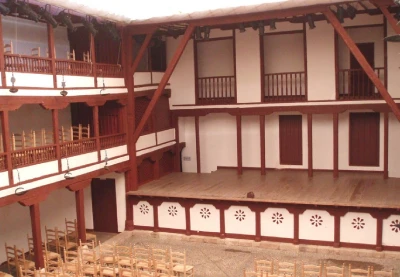
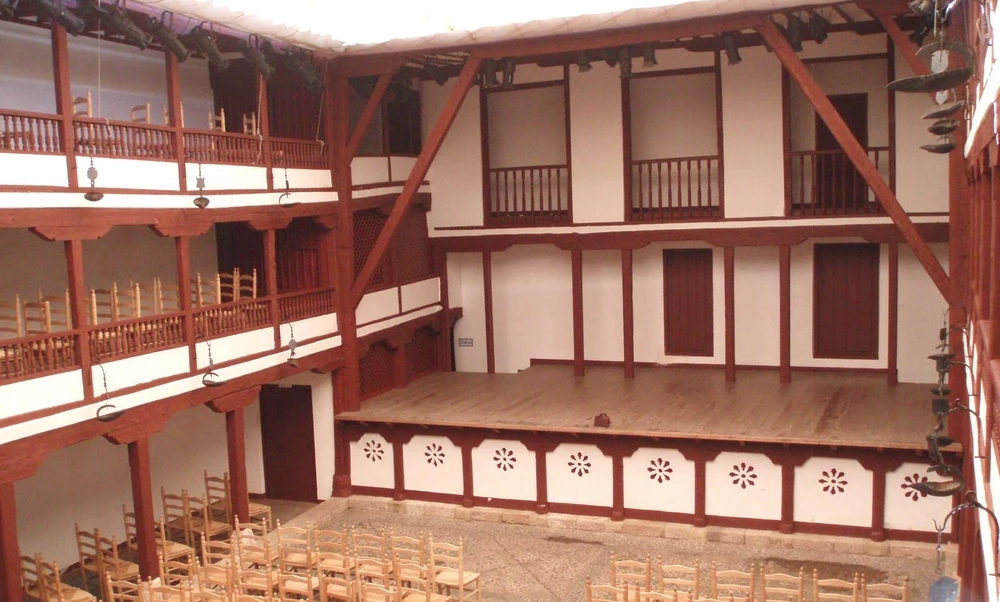
The programme begins with two weeks based at BADA’s home in London, followed by two weeks in Spain, where participants will immerse themselves in the rich history and contemporary significance of Hispanic classical theatre from the Golden Age to Lorca. They will visit key cultural sites, including Seville, Granada, and Almagro, home to the International Classical Theatre Festival. The itinerary features iconic landmarks such as Granada’s Alhambra, the Huerta de San Vicente (Casa-Museo de Federico García Lorca), Seville’s Plaza de España, and the 400-year-old Corral de Comedias of Almagro. Participants will also have opportunities to attend live performances and engage with leading theatre professionals.
This programme offers an in-depth study of Lorca’s work through a contemporary lens, alongside Ibero-American playwrights of the Golden Age through a contemporary and transatlantic lens. It places a special emphasis on female Latin American voices. It explores the dynamic interplay between script, performance, and historical context, fostering fresh interpretations of cultural, social, and political themes. The programme encourages the reimagining of these works within a modern, global framework through both theoretical and practical exploration.
London, Seville, Granada, and Almagro
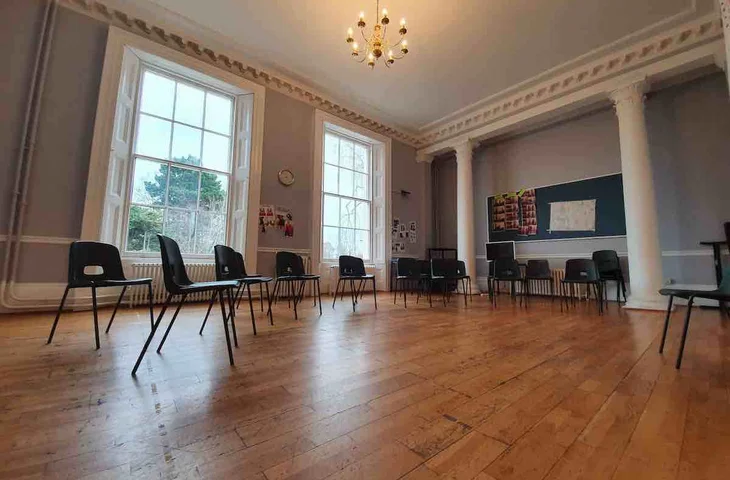
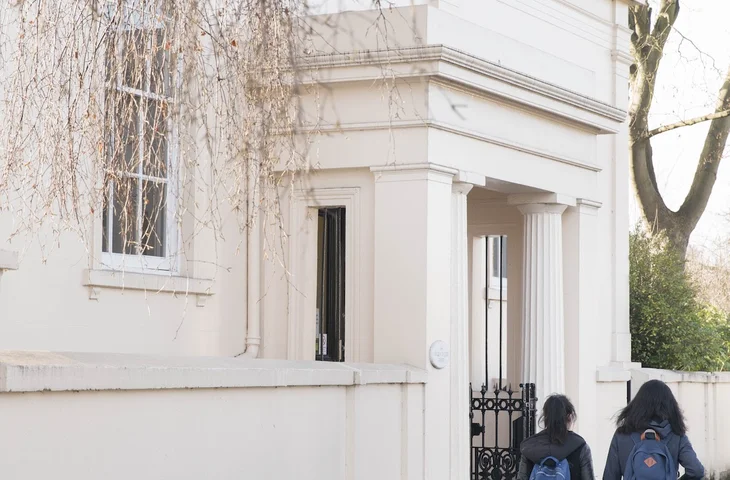
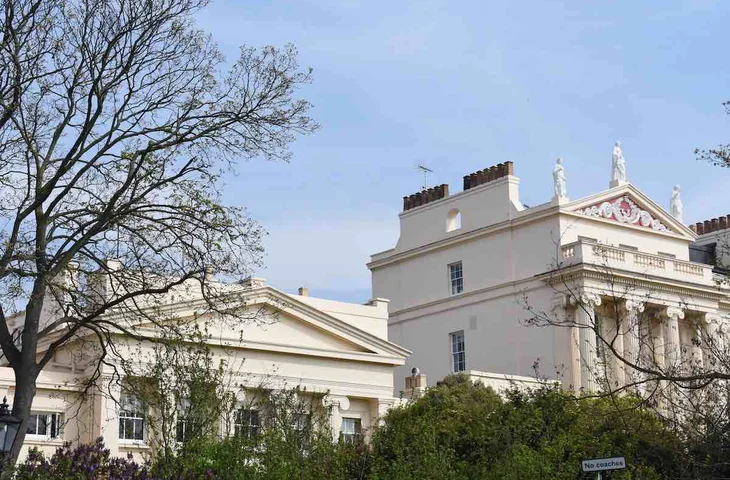
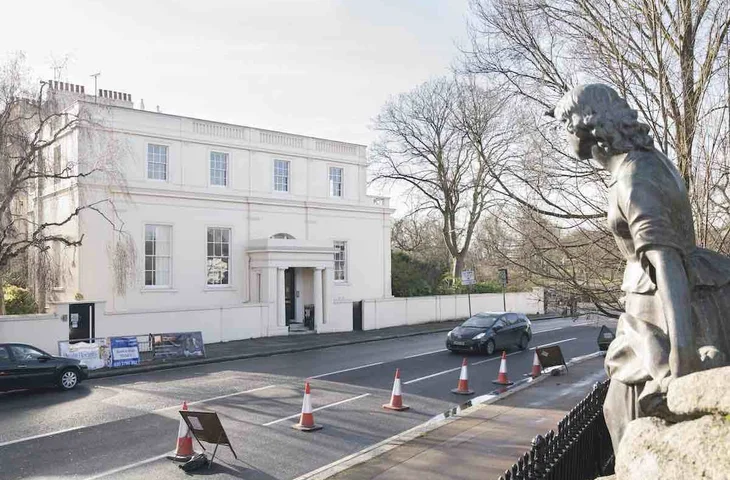
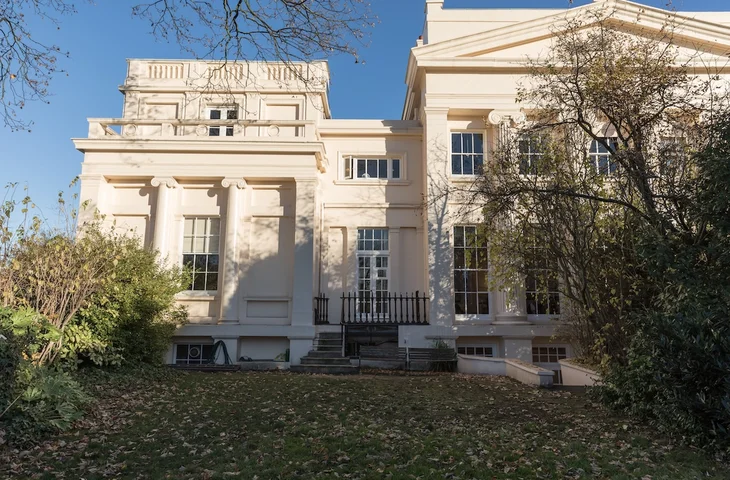
The programme begins with two weeks in London based at BADA’s home at 14 Gloucester Gate, followed by two weeks in Spain with visits to Seville, Granada, and Almagro before returning to London to close out the programme.
14 Gloucester Gate, Regent’s Park, London NW1 4HG, United Kingdom
Curriculum Details
Classes include:
- Spanish Golden Age in Performance This module explores performance practices from the 16th and 17th centuries to the present day, tracing how different generations have reimagined the Golden Age to reflect their own cultural and political contexts. We will examine key works from both Spain and Latin America, focusing on their contemporary relevance and international reception.
- Historical and Cultural Context A comprehensive look at the socio-political and cultural landscapes of early modern Spain and colonial Latin America. This course situates Golden Age theatre within its historical moment, shedding light on the forces that shaped its themes, characters, and dramatic conventions.
- Verse in Golden Age Theatre An introduction to the complexities of Golden Age verse, focusing on understanding its varied metrical patterns and how they inform rhythm, character, and emotion in performance. Students will learn how to work with verse both in theory and practice, and will also explore how to rewrite and create new work inspired by verse.
- Lorca’s Legacy: Literature, Theatre, and Poetry A focused exploration of Federico García Lorca’s artistic legacy. This course contextualises his work within the political, historical, and cultural framework of early 20th-century Spain and analyses how his voice continues to resonate in contemporary theatre and poetry.
- Lectures & Guided Tours A series of talks and discussion sessions with visiting academics and artists, complemented by guided tours of historical and cultural landmarks in both the UK and Spain. These will offer students a deeper understanding of the heritage behind the texts they study and perform.
Studio work:
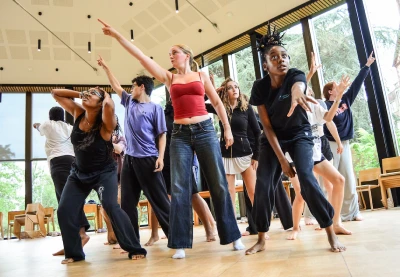
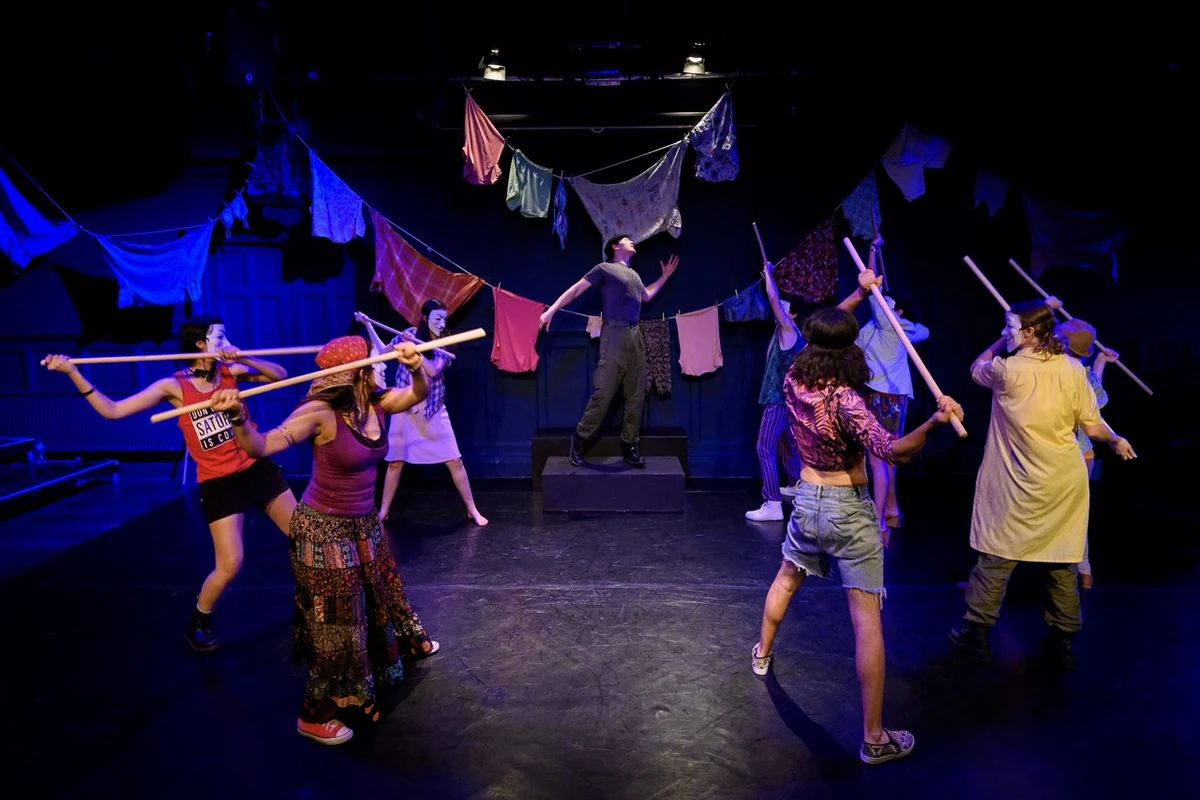
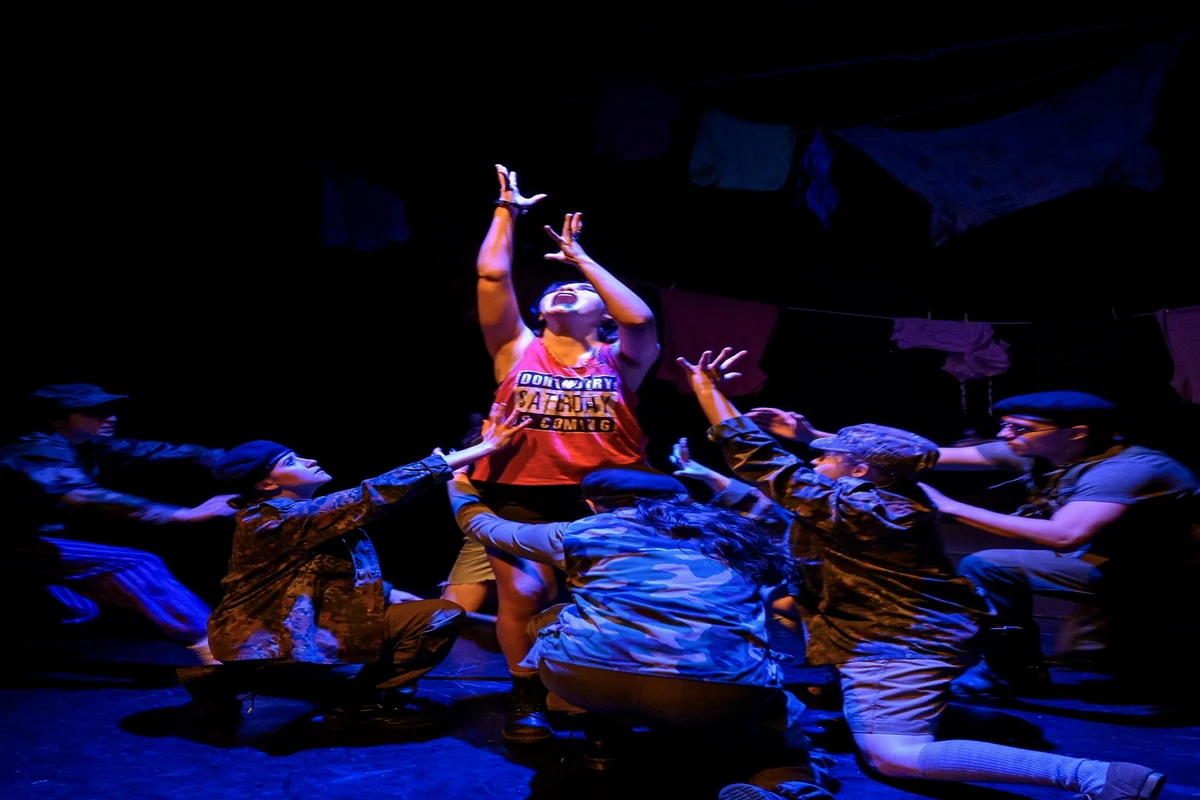
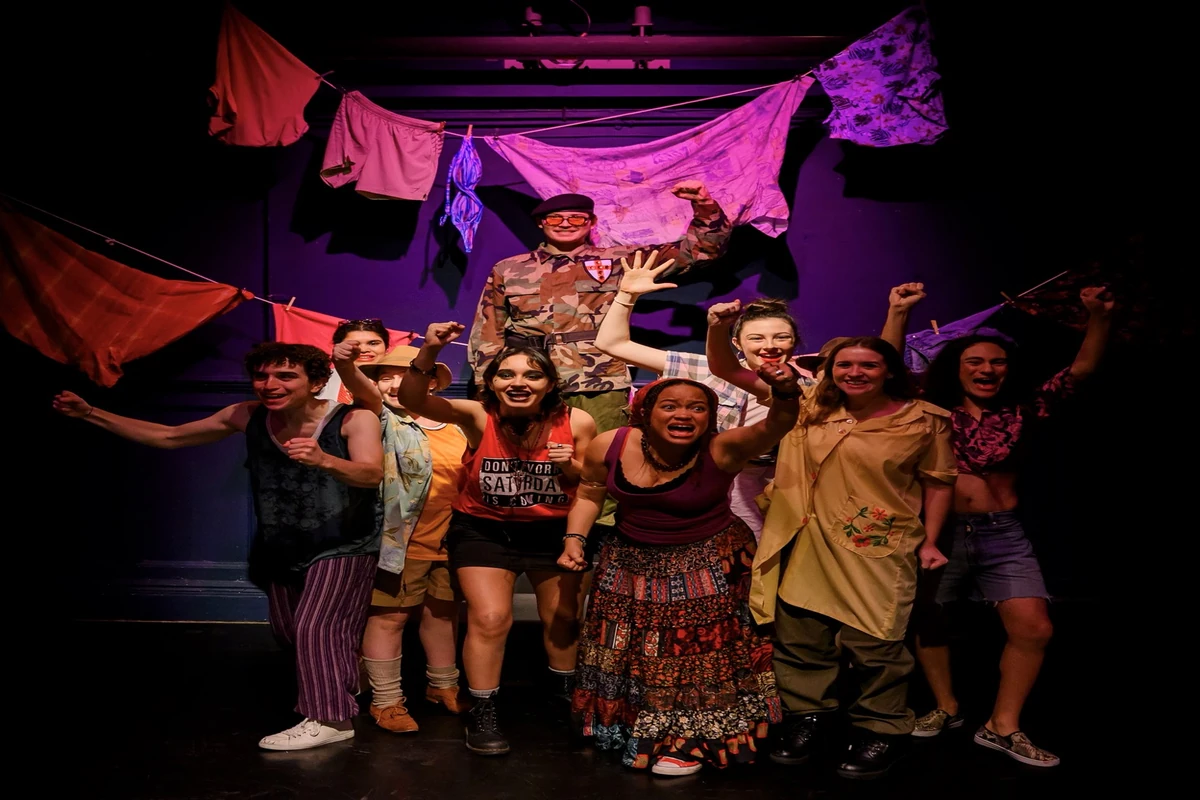
- Performance Laboratory From Lorca to Sor Juana, a practical studio component dedicated to performing scenes, monologues, and choral pieces from canonical and lesser-known Golden Age works. Students will engage in ensemble work, character study, and text-based improvisation. Classes will be held in both London and Spain, with an informal performance sharing at the end of the course.
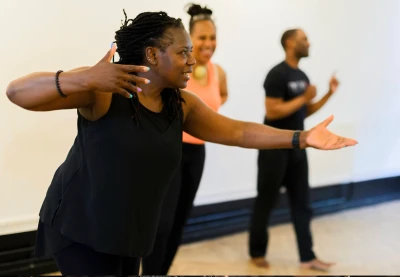
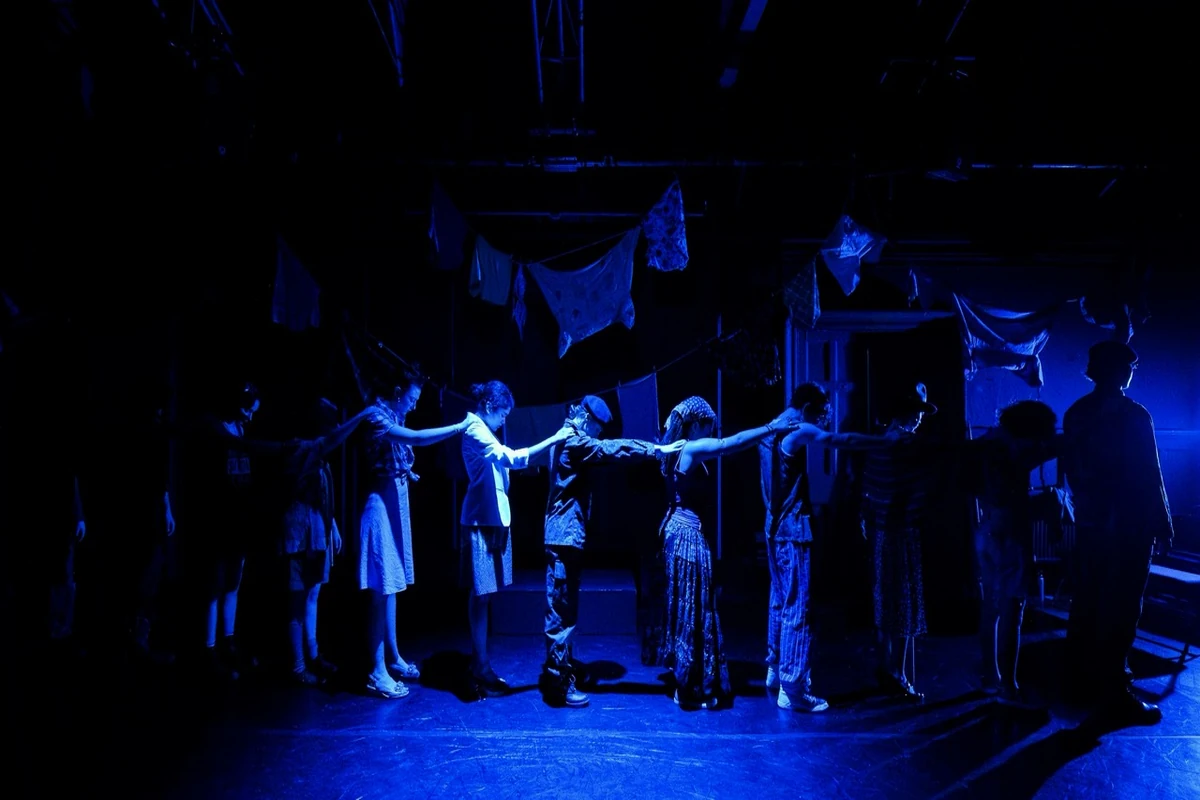
- Movement and Voice for Classical Texts Sessions are designed to support the actor’s physical and vocal relationship with heightened language. Training will draw from both classical and contemporary approaches to embodying verse and narrative on stage.
- Masterclasses with Guest Artists Technique-driven workshops led by renowned actors, directors, and theatre makers specialising in classical theatre and cross-cultural performance. These masterclasses aim to deepen each student’s artistic toolbox and provide diverse perspectives on interpreting Golden Age drama and Lorca’s legacy today.
Behind the scenes
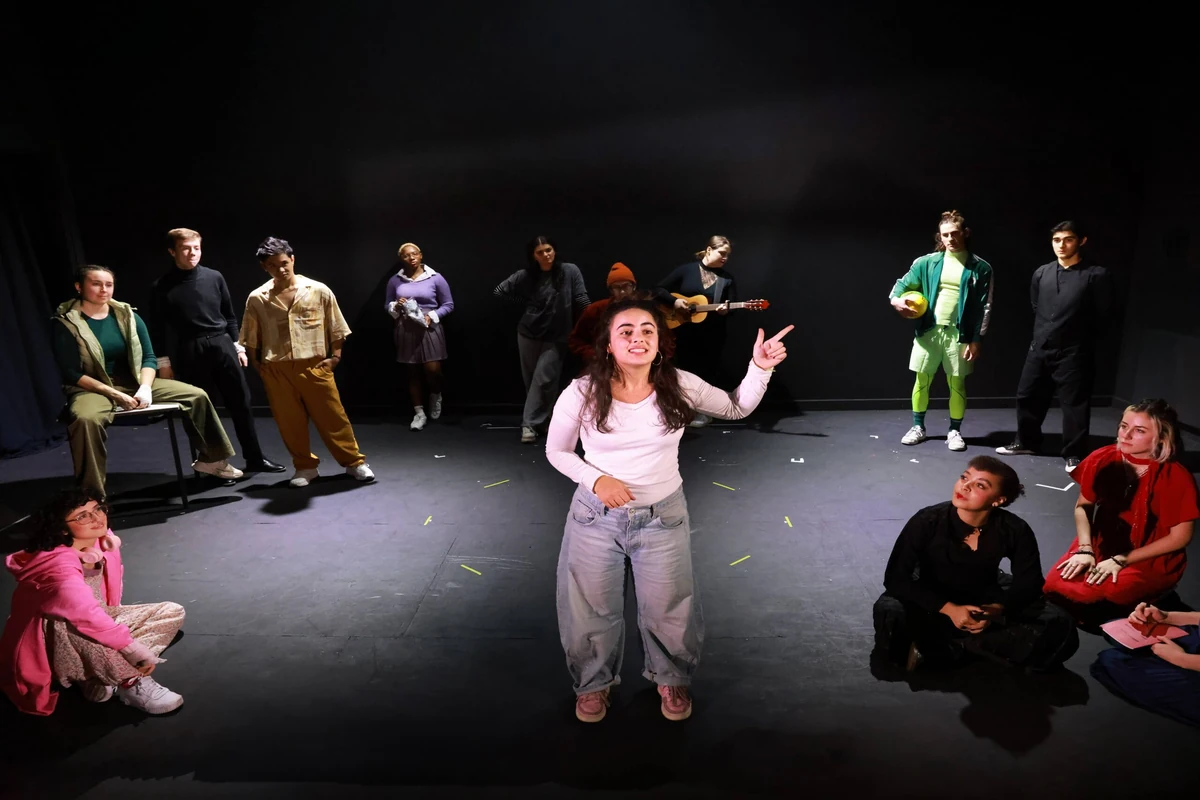
The Faculty is comprised of distinguished teaching artists from a variety of theatrical backgrounds.
Programme Logistics
The Summer 2026 session will run 9th June – 7th July 2026.
| 9th June | Participants Arrive |
|---|---|
| 10th – 22nd June | London |
| 23rd – 26th June | Seville |
| 26th – 29th June | Granada |
| 29th June – 5th Jul | Almagro (coinciding with the 1st Festival Weekend: 3rd – 5th July) |
| 6th July | Return to London |
| 7th July | Participants depart |
Admissions & Applications
We welcome applicants at the undergraduate and graduate level as well as those who are not currently enrolled in educational programmes. Applicants aged 18 must have at least one year’s experience away from home to be considered for this programme.
